
How UK Consumers Can Escape Debt in 2026: A Practical Guide to Debt Relief Options, Warning Signs of Scams, and What Debt Settlement Reviews Really Reveal About Top Companies
How UK Consumers Can Escape Debt in 2026: A Practical Guide to Debt Relief Options, Warning Signs of Scams, and What Debt Settlement Reviews Really Reveal About Top Companies
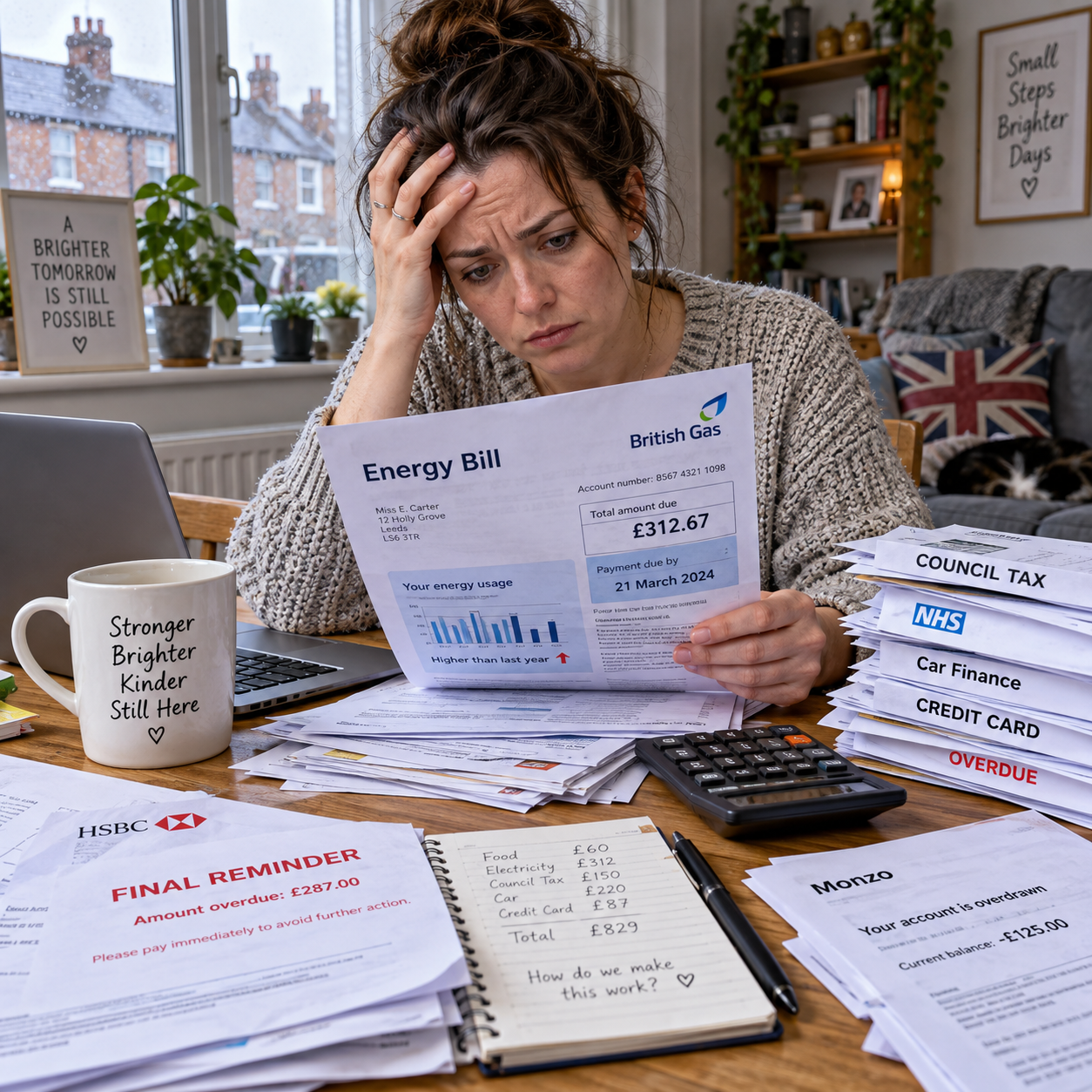
I've spent a lot of time lately talking to friends, family, and readers who feel like their finances have quietly spiralled out of their control. If that sounds familiar, you're far from alone. Between stubborn inflation, higher mortgage repayments, and everyday costs that just don't seem to ease off, 2026 has turned into a genuinely tough year for household budgets across the UK. This guide is my attempt to cut through the noise and give you a clear, honest look at how to actually escape debt—without falling into the traps that catch so many people along the way.
Understanding the UK Debt Crisis in 2026
It's not your imagination—more people are struggling than they were even a couple of years ago. Energy bills, grocery prices, and rent have all climbed faster than wages in many parts of the country, and credit cards or buy-now-pay-later schemes have become a quiet lifeline for millions. The problem is that lifeline often turns into a noose. Interest rates, while showing signs of stabilising, are still high enough that minimum payments barely dent outstanding balances. I've seen how quickly a manageable balance can snowball into something overwhelming when interest keeps compounding month after month.
This is exactly why understanding your options matters so much right now. The debt relief industry has grown alongside this crisis, and while there are genuinely helpful services out there, there are also opportunistic ones looking to profit from desperation. Knowing the difference could save you thousands of pounds and years of stress.
What Are Your Debt Relief Options?
Before committing to any single route, it helps to see the whole landscape. UK consumers generally have a handful of realistic paths: informal budgeting and negotiation, formal insolvency solutions, debt management plans, and third-party settlement or negotiation services. Each comes with its own trade-offs around cost, credit impact, and how quickly you can expect relief.
Debt Management Plans (DMPs) vs. Individual Voluntary Arrangements (IVAs)
A Debt Management Plan is an informal agreement where you make one affordable monthly payment that's distributed among your creditors, usually arranged through a free service or a fee-charging provider. It's flexible, doesn't require court involvement, and can be adjusted if your circumstances change. However, it won't reduce your total debt—it just reorganises repayment.
An IVA, on the other hand, is a formal, legally binding agreement typically lasting five to six years, where a portion of your debt may actually be written off at the end. IVAs are managed by licensed insolvency practitioners and appear on your credit file for six years, which is a bigger hit than a DMP. Eligibility usually depends on having a certain level of unsecured debt and disposable income. Choosing between the two really comes down to how much debt you owe, how stable your income is, and how much credit impact you're willing to accept.
Debt Settlement and Negotiation Services
Debt settlement companies work differently. Instead of managing repayments, they negotiate directly with your creditors to try to settle debts for less than what's owed—often after you've stopped making payments to creditors and instead saved funds in a dedicated account. This can sound appealing, but the process typically takes years, can seriously damage your credit score in the short term, and comes with service fees that vary widely between providers. Some settlements never get accepted at all, which is why understanding a company's actual track record—not just their sales pitch—is essential before signing anything.
Red Flags: How to Spot Debt Relief Scams
Unfortunately, the debt relief space attracts its fair share of bad actors. Over the years, certain warning signs have come up again and again: companies demanding large upfront fees before doing any actual work, guarantees of specific debt reduction percentages (no legitimate firm can promise this), high-pressure sales tactics urging you to sign immediately, and firms that aren't registered or authorised by the Financial Conduct Authority (FCA).
If a company contacts you out of the blue, promises to 'erase' your debt entirely, or pressures you to stop communicating with your existing creditors without a clear legal plan, treat that as a serious red flag. Legitimate providers are transparent about timelines, fees, and risks—not evasive.
Questions to Ask Before Signing Up
- Are you authorised and regulated by the FCA?
- What are your total fees, and when are they charged?
- What percentage of your clients actually complete their programme successfully?
- How will this affect my credit score, both short-term and long-term?
- Can you provide references or verifiable customer outcomes?
What Debt Settlement Reviews Really Reveal
This is where a lot of consumers get tripped up. Marketing pages are designed to make every company look like the obvious choice, but real outcomes tell a very different story. That's why I always recommend digging into detailed, independent evaluations before committing to any provider. One resource I found genuinely useful when researching this space is this breakdown of debt settlement reviews, which examines several leading companies, their programme structures, and—importantly—the real risks that don't always make it into promotional material.
Reading through comparisons like this helped me understand that success rates, complaint histories, and fee structures can vary dramatically even among well-known names. It's not enough to just pick the company with the flashiest website or the most reassuring customer service call.
What to Look for in a Trustworthy Review
Not all reviews are created equal. A genuinely useful review should disclose whether the author has any financial relationship with the companies mentioned, clearly outline fee structures rather than glossing over them, cite real success and complaint data where available, and avoid overly promotional language that reads more like an advert than an honest assessment. If a 'review' only lists positives with no mention of drawbacks or risks, be skeptical.
Steps to Take Before Choosing a Debt Relief Company
Before you sign anything, take these practical steps. First, confirm the company's FCA authorisation status directly through the FCA register—don't just take their word for it. Second, compare at least two or three providers rather than settling for the first one you speak to. Third, read the contract carefully, paying close attention to cancellation terms, fee schedules, and what happens if you miss a payment. Finally, and this one's important, speak to a free, nonprofit debt advice service like StepChange or Citizens Advice before committing to a paid solution. These organisations can offer impartial guidance and sometimes reveal options you hadn't considered, at no cost to you.
Common Mistakes to Avoid When Tackling Debt
Over time, I've noticed a handful of recurring mistakes people make when trying to get out of debt. Skipping free advice services because a paid company seems more 'professional' is a big one—free doesn't mean lower quality. Ignoring the fine print in contracts is another, especially clauses around fees charged even if settlements fail. People also tend to underestimate the emotional toll debt takes, which can lead to rushed decisions made out of panic rather than careful evaluation. And finally, choosing a provider purely based on advertising rather than evidence—reviews, complaint records, regulatory status—often leads to disappointment down the line.
Building a Debt-Free Future in 2026 and Beyond
Escaping debt isn't usually quick, and anyone who promises otherwise should raise your suspicion. What actually works is patience, research, and a willingness to ask hard questions before handing over your trust—or your money. Take the time to understand your options, verify any company's credentials, and lean on free advice services as your starting point. The path out of debt in 2026 is absolutely achievable, but it's built on informed decisions, not quick fixes.